Services · Woodworm
Holes in the timber?
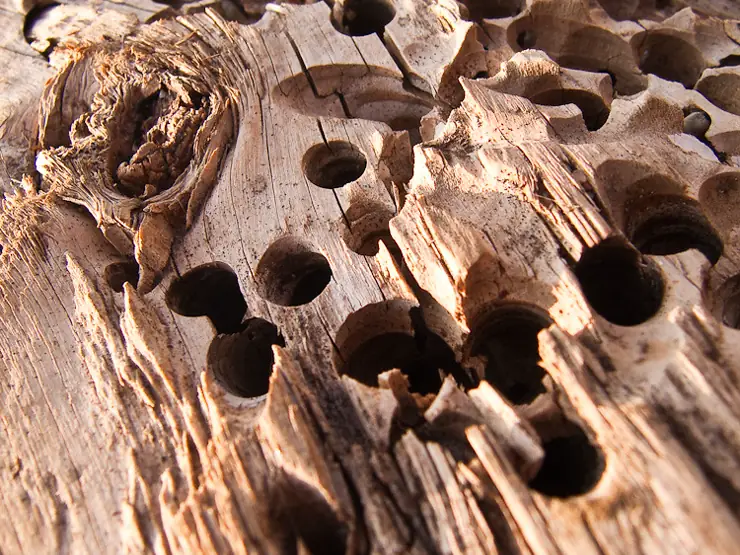
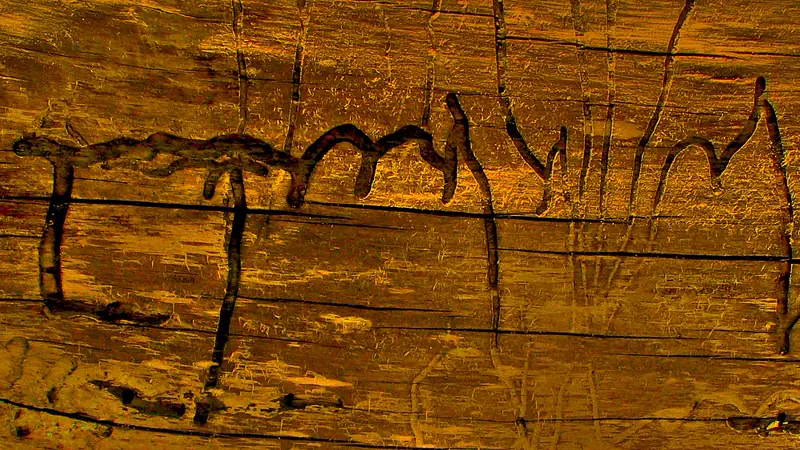
Small round holes and dust in floorboards, joists or the loft. We check whether it's still active before anyone treats anything.
 Stock photo
 Stock photo
Signs
What you might notice
- Small round holes in floorboards, joists, stairs or loft timbers.
- Fine, powdery dust under the holes.
- Timber that crumbles at the edges.
- Sometimes, small beetles near windows in spring.
Causes
What's usually behind it
- Damp timber, which beetles prefer.
- Poor air flow under suspended floors or in lofts.
- Old furniture or reclaimed timber brought into the house.
What we do
How we deal with it
- We check how widespread it is and whether it's active.
- We look for damp that's making the timber attractive.
- If it's old and inactive, we tell you, and that may be the end of it.
- If it's active, we treat only the timber that needs it.
- Weakened timbers are repaired or strengthened.
Sample jobs
Woodworm: from the gallery
Stock photoWoodworm in a joistCarnforth · sampleStock photoOld beetle damageLancaster · sample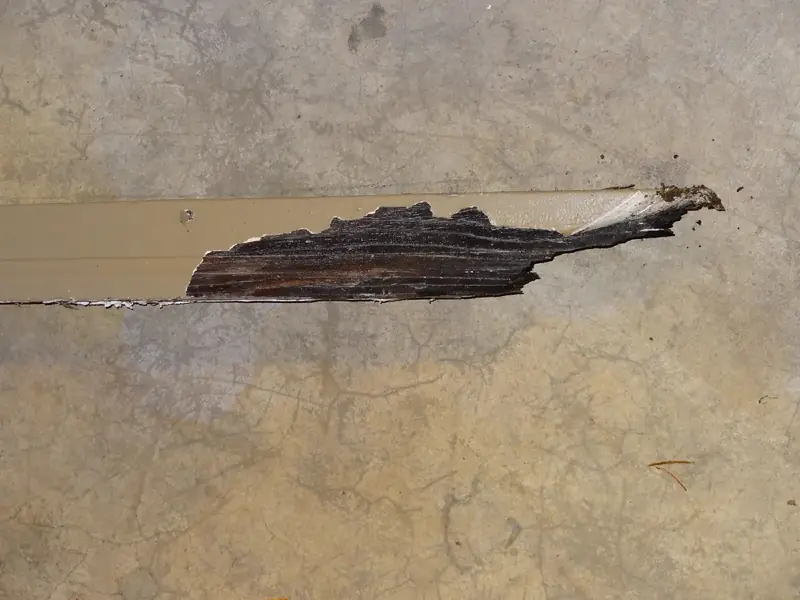 Stock photoWet rot in timberMorecambe · sample
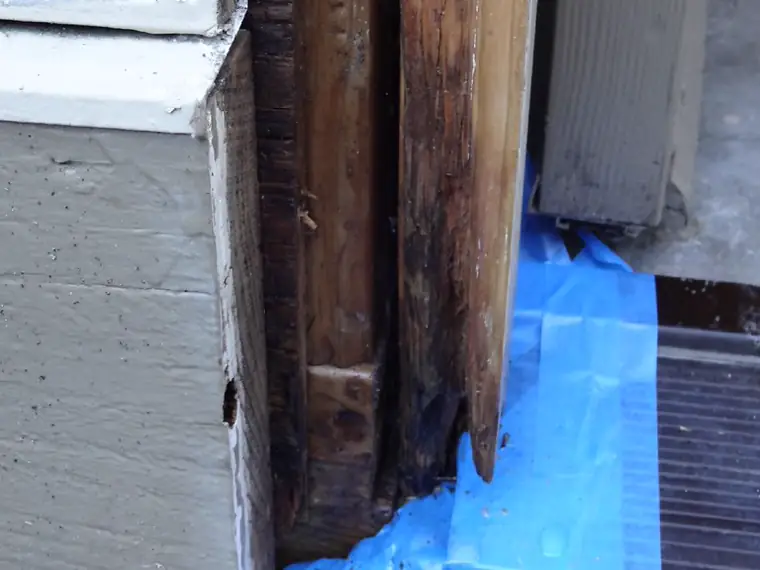 Stock photoRotten door frameHeysham · sample
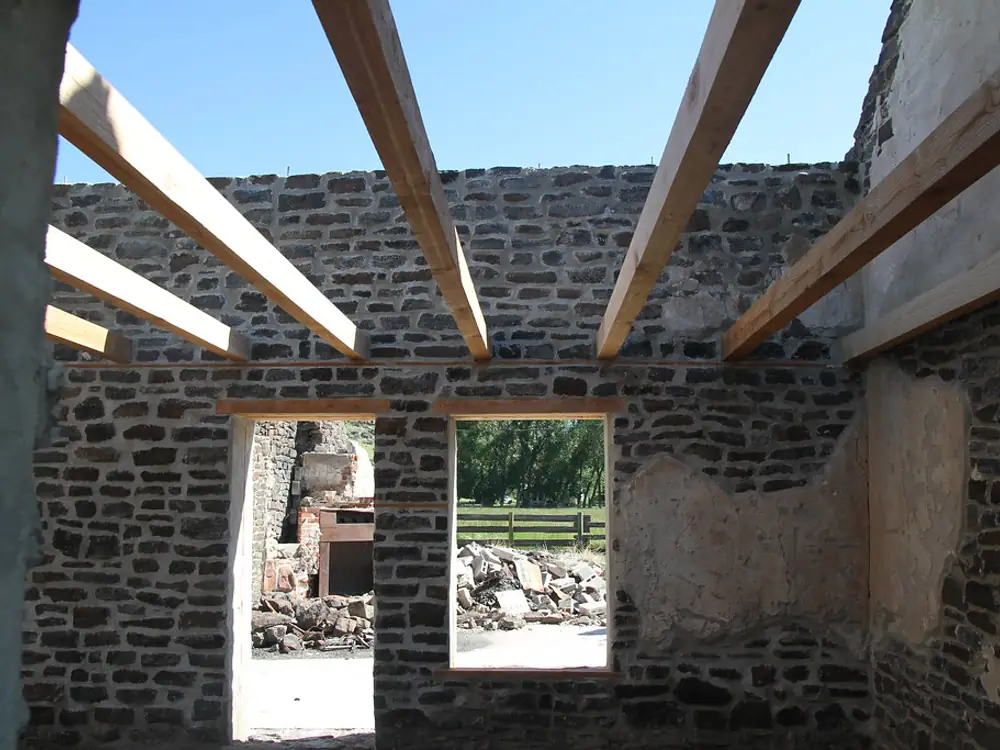 Stock photoFloor timbers opened upCarnforth · sample
Made-up sample jobs, with stock photos.
Questions
Common questions
Does every hole mean woodworm now?
No. Many holes are decades old. Fresh, pale dust and clean-edged holes are the signs worth asking about.
Is treatment always needed?
No. If it's inactive and the timber is sound, it may not need treating at all. We'll say so.
Can I treat it myself?
We'd rather you didn't. You may be treating timber that doesn't need it, or missing timber that needs repair. Get it checked first.
General information only. Every house is different, so speak to a qualified surveyor about yours.
Not sure what you're looking at?
Book a survey. We'll find the cause and explain it in plain English before anyone recommends a treatment.