Services · Rising damp
Damp low on the walls.
Tide marks, salty plaster and soft skirting boards. Sometimes it's rising damp. Often it's water from somewhere else. We find out which.

Illustration, not a real job. Drawn for this demo to show the kind of change you can expect.
Signs
What you might notice
- A tide mark on ground floor walls, often up to about knee height.
- Plaster that's crumbly, bubbling or has white salts on it.
- Wallpaper lifting at the bottom.
- Skirting boards going soft.
Causes
What's usually behind it
- Ground or a path built up above the inside floor level.
- Blocked airbricks or a bridged damp-proof course.
- Leaking gutters, downpipes or sills soaking the wall.
- Old cement render or paint trapping moisture in solid walls.
- Sometimes, genuine rising damp.
What we do
How we deal with it
- We take readings and look at the wall inside and out.
- We find and fix the cause first, wherever we can.
- If a damp-proof course is needed, we explain the options.
- We let the wall dry, then replaster in a breathable finish.
- We re-check the readings afterwards.
Sample jobs
Rising damp: from the gallery
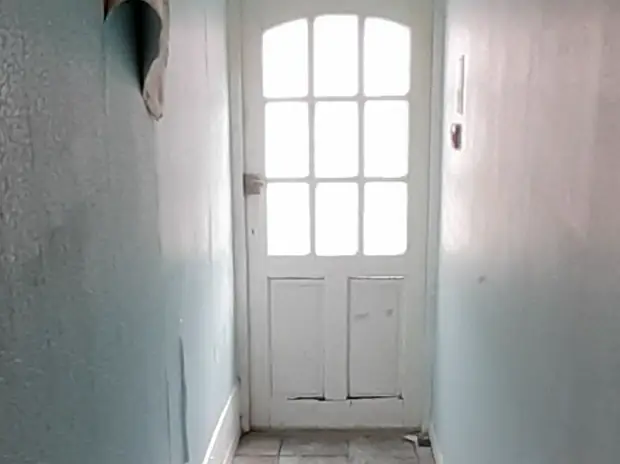 Stock photoDamp hallwayLancaster · sample
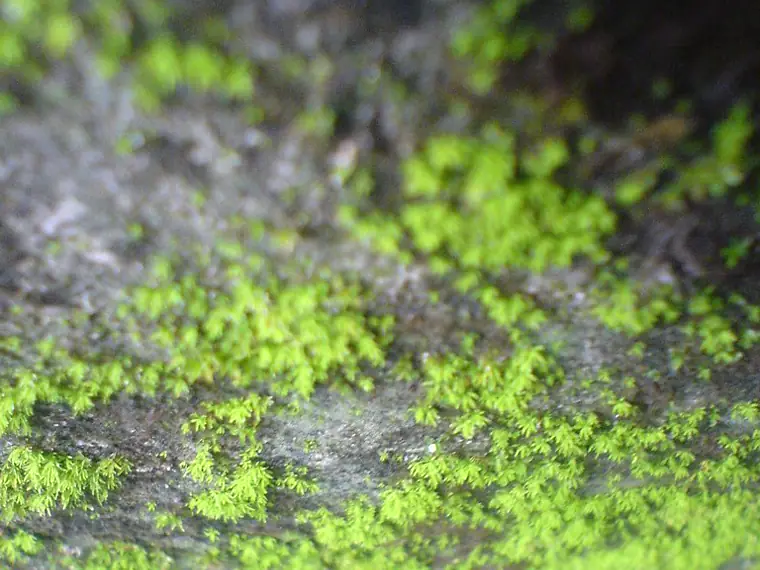 Stock photoWet wall outsideMorecambe · sample
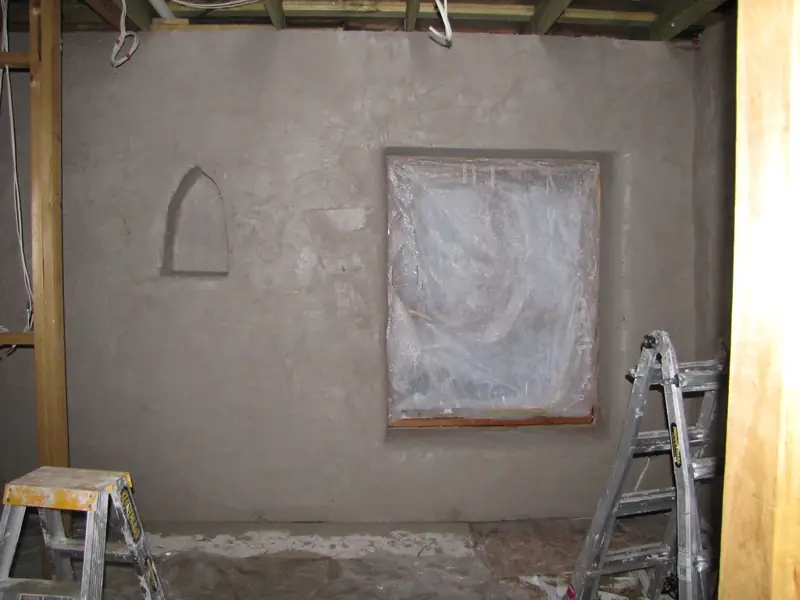 Stock photoWall replasteredGarstang · sample
Made-up sample jobs, with stock photos.
Questions
Common questions
Is it definitely rising damp?
Not always. A lot of damp low on walls is from outside: ground levels, gutters or leaks. A survey finds out before anyone injects anything.
Do I need the plaster taking off?
Sometimes. Plaster that's full of salts keeps drawing in moisture, so it may need replacing once the wall has dried. We'll show you where.
How long does a wall take to dry?
It depends on the wall and the weather. Thick stone walls can take months. We'll give you a realistic idea for yours rather than a promise.
Can I fix it myself?
Some outside fixes, like clearing a gutter or lowering a flower bed, are worth doing. For anything in the wall itself, please get a qualified surveyor to look first.
General information only. Every house is different, so speak to a qualified surveyor about yours.
Not sure what you're looking at?
Book a survey. We'll find the cause and explain it in plain English before anyone recommends a treatment.