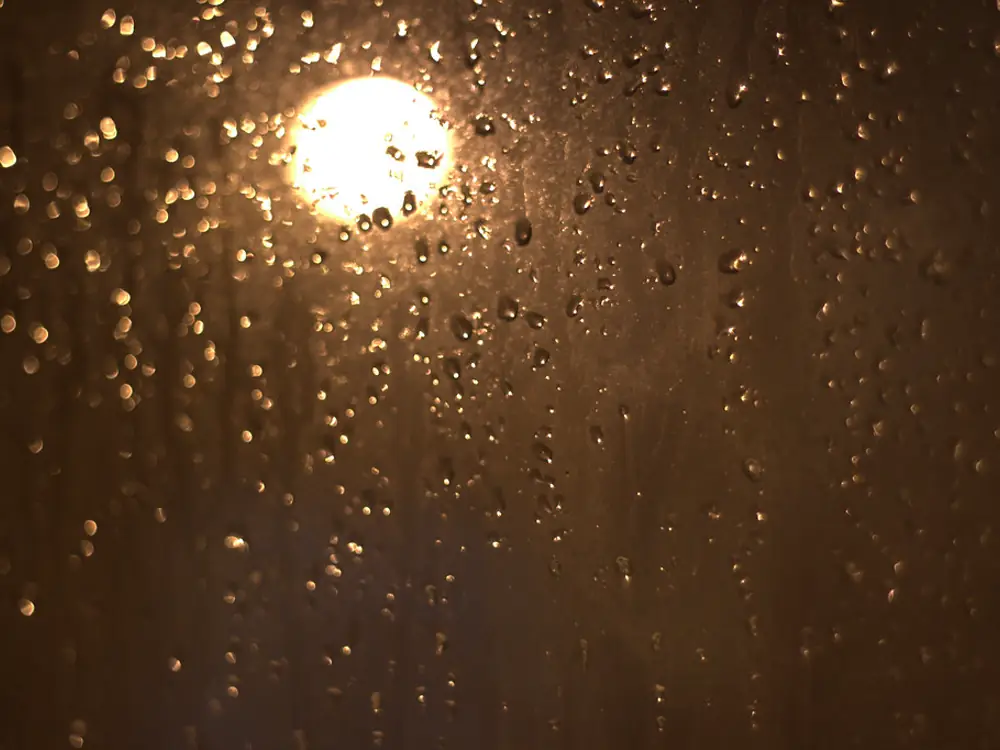
Most damp we're called out to as "rising damp" turns out to be something else. Condensation is by far the most common, followed by water getting in from outside. Here's how they usually show up.
Condensation usually looks like
- Water on the inside of windows, especially first thing in the morning.
- Black spots of mould in corners, behind wardrobes and around window reveals.
- Worse in winter and in rooms with drying washing, cooking or showers.
- Damp high on walls as well as low down.
Damp in the walls usually looks like
- A tide mark low on a ground floor wall, often up to about knee height.
- Plaster that's crumbly or bubbling, sometimes with white salts on it.
- No real change between summer and winter.
- Skirting boards going soft.
Why it matters
If it's condensation, injecting a wall won't help at all. If it's a leaking gutter or ground built up outside, fixing that is often the whole job. That's why a proper survey comes before any treatment.
Things worth trying first
- Open trickle vents and use extractor fans when cooking or showering.
- Keep furniture a little way off cold outside walls.
- Check gutters and downpipes after heavy rain from the ground.
General information only. Please don't buy or inject any treatment without a survey. Speak to a qualified surveyor about your home.