Services · Dry rot and wet rot
Soft, crumbling timber.
Rot always starts with water. We find where it's coming from, stop it, then repair the wood.
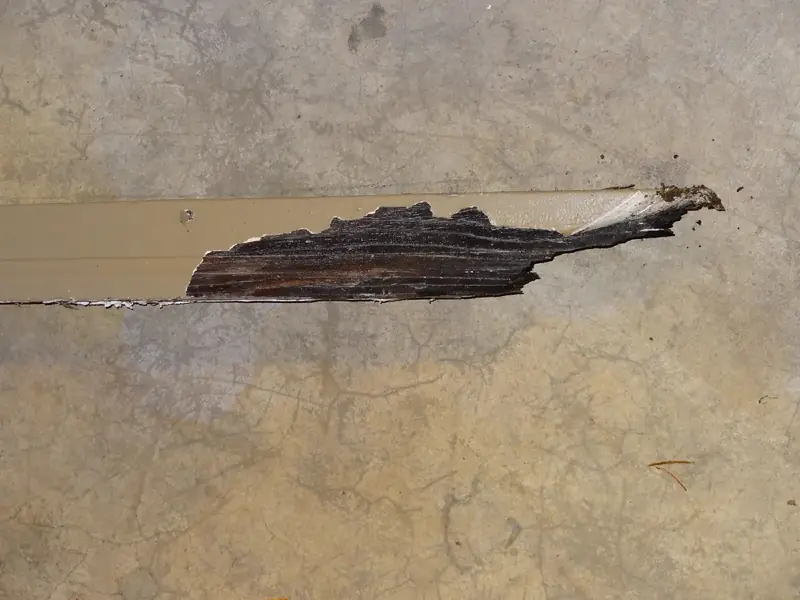 Stock photo
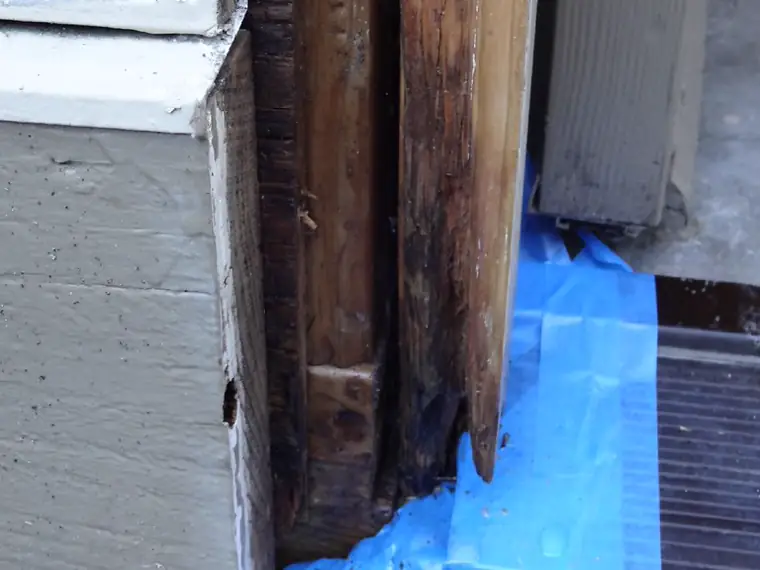 Stock photo
Signs
What you might notice
- Timber that's soft, spongy or cracks into cubes.
- A musty, mushroomy smell.
- White, cotton-wool growth or orange dust (signs of dry rot).
- Skirting boards, floors or frames that give when pressed.
Causes
What's usually behind it
- A long-term leak: a pipe, a gutter, a roof or a sill.
- Timber built into damp walls.
- Poor air flow under floors.
What we do
How we deal with it
- We find the extent of the rot and what kind it is.
- We trace and stop the water source. That comes first.
- We cut out and replace affected timber.
- Where dry rot has spread into masonry, we deal with that area too.
- We improve air flow so it doesn't come back.
Sample jobs
Dry rot and wet rot: from the gallery
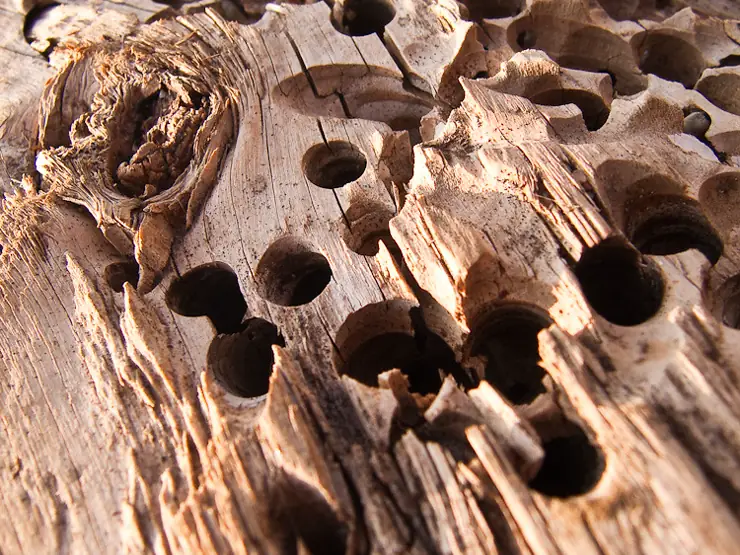 Stock photoWoodworm in a joistCarnforth · sample
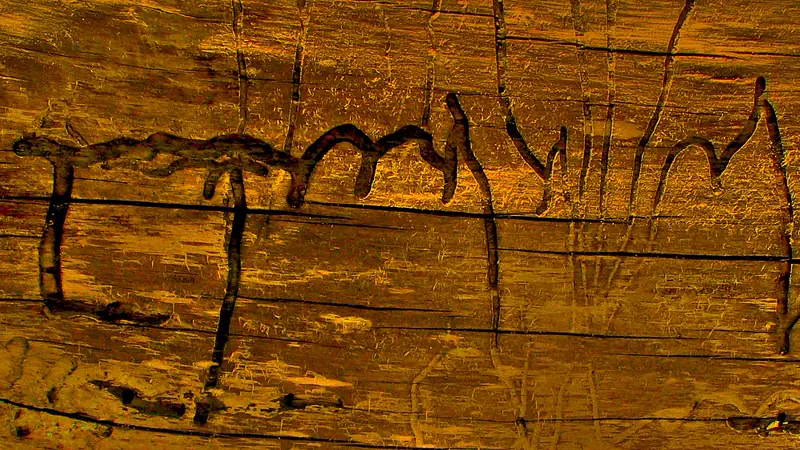 Stock photoOld beetle damageLancaster · sampleStock photoWet rot in timberMorecambe · sampleStock photoRotten door frameHeysham · sample
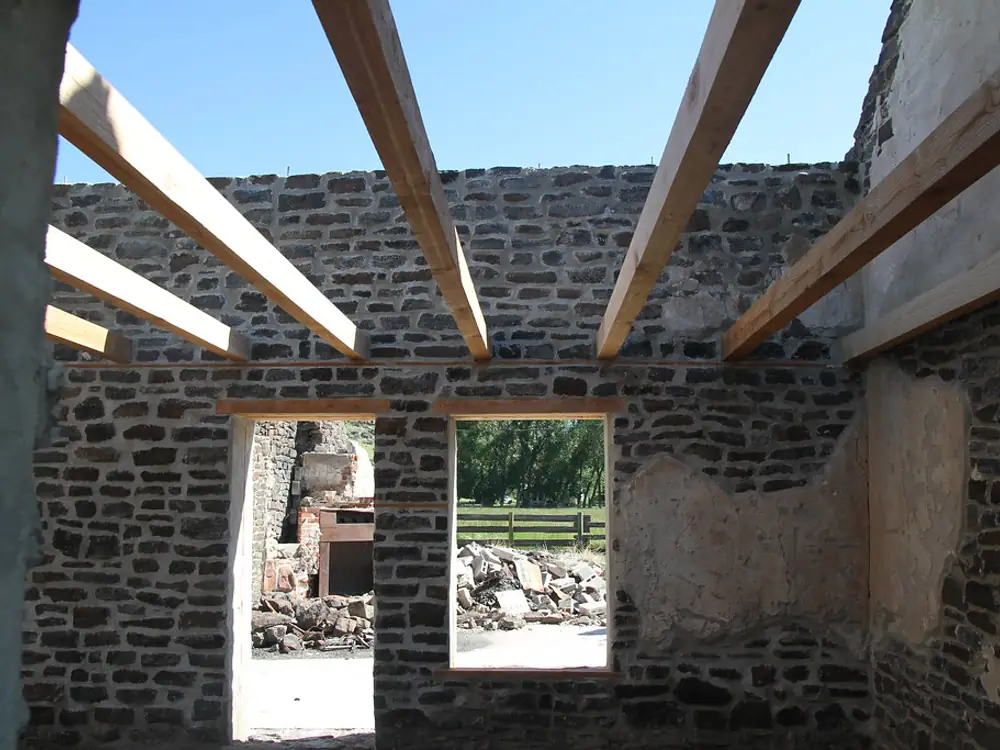 Stock photoFloor timbers opened upCarnforth · sample
Made-up sample jobs, with stock photos.
Questions
Common questions
What's the difference between dry rot and wet rot?
Both are fungi that feed on damp timber. Wet rot stays where the water is. Dry rot can spread further, so it needs finding quickly.
Is dry rot dangerous?
It can weaken structural timbers if it's left. It isn't usually an emergency, but it's worth getting looked at soon.
Do you need to take floors up?
Sometimes, to see how far it goes. We'll explain why before we lift anything.
General information only. Every house is different, so speak to a qualified surveyor about yours.
Not sure what you're looking at?
Book a survey. We'll find the cause and explain it in plain English before anyone recommends a treatment.