Damp and timber · Lancaster, Morecambe and the Lune valley
Find the cause.
Then fix the damp.
Condensation, damp walls, woodworm, rot and cellars. We survey first and explain what we find in plain English, before anyone recommends a treatment.
 Stock photo
What we see most
Three kinds of damp trouble.
Each one looks different and needs a different fix. That's why we look before we treat.
 Stock photo
Condensation and mould
Streaming windows and black spots in corners. Usually about air and heat.
Read more →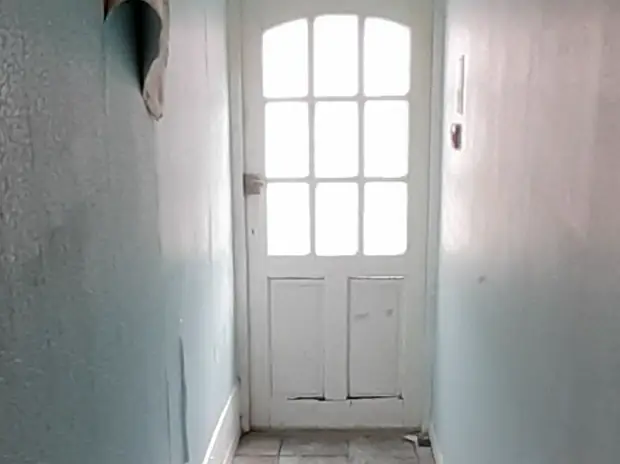 Stock photo
Damp in the walls
Tide marks and crumbly plaster low down. Often a leak or the ground outside, sometimes rising damp.
Read more →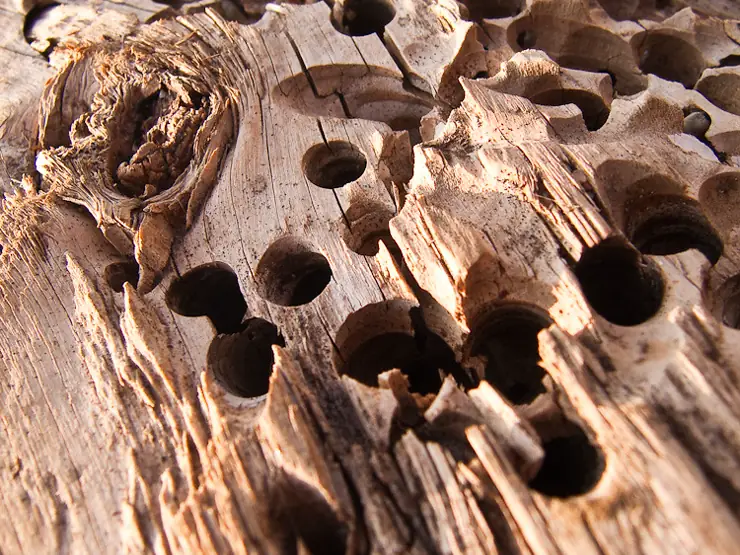 Stock photo
Woodworm and rot
Holes, dust or soft timber. We check if it's active and find the water behind any rot.
Read more →How a survey works
Three steps. One straight answer.
We come and look
Inside and out: readings room by room, plus gutters, ground levels, airbricks and anything under the floor we can see.
We find the cause
We tell you what's causing the damp, in plain English. Sometimes it's a gutter, not a treatment.
You get a written report
Photos, what we found and what we'd do in order, with a clear quote for each step, usually within a few days Sample.
Self check · general information
What does your damp look like?
Tick anything you've noticed. It's a rough guide to what a surveyor would look at first, not a diagnosis.
General information only. Damp often has more than one cause, and only a survey can tell you for sure. Please don't buy or inject any treatment on the strength of a checklist.
Before you ring
What's your damp telling you?
Tick what you've noticed and see which way it leans. It won't diagnose anything, but it's a good start for the conversation.
Most of the "rising damp" we're asked to look at turns out to be condensation or water from outside. Knowing that saves people a lot of money.
Condensation or rising damp?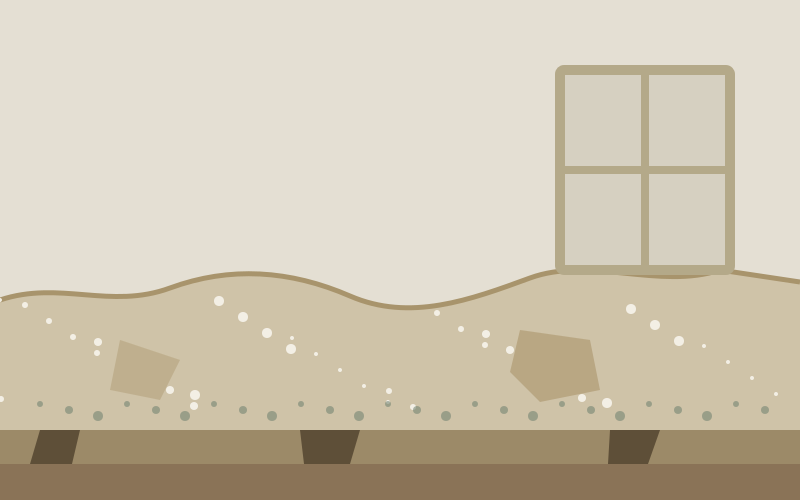

Illustration, not a real job. Drawn for this demo to show the kind of change you can expect.
Before and after
Dry walls, done properly.
Drag the slider. On the left, a tide mark, salty plaster and a rotten skirting. On the right, the same wall once the cause is fixed, the wall has dried and it's been replastered.
It's an illustration, not a real job, drawn to show the kind of change you can expect.
See the galleryServices
What we do.
 Stock photo
Rising damp
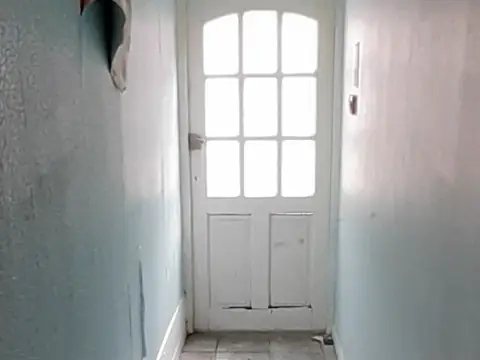
Tide marks, salty plaster and damp low on ground floor walls. We find out whether it's really rising damp first.
 Stock photo
Condensation and mould
Streaming windows and black mould in corners. Usually about air and heat, and usually fixable without drilling a single hole.
 Stock photo
Woodworm
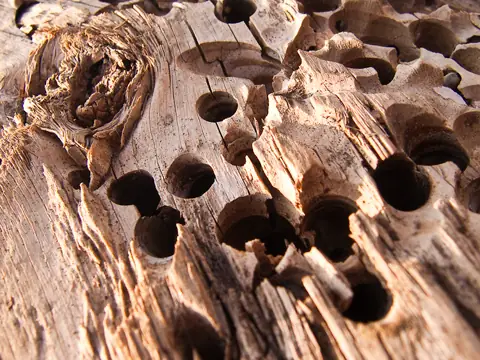
Small round holes and dust in floorboards, joists or the loft. We check whether it's active before anyone treats anything.
 Stock photo
Dry rot and wet rot
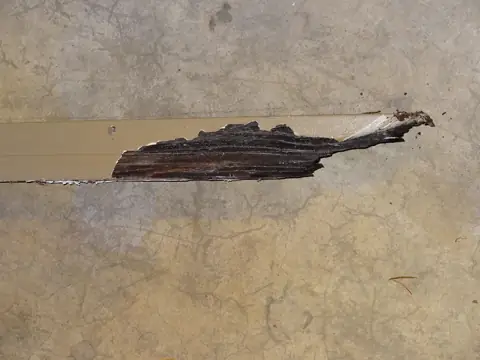
Soft, crumbling or cracked timber. We trace the water that caused it, then repair the wood.
 Stock photo
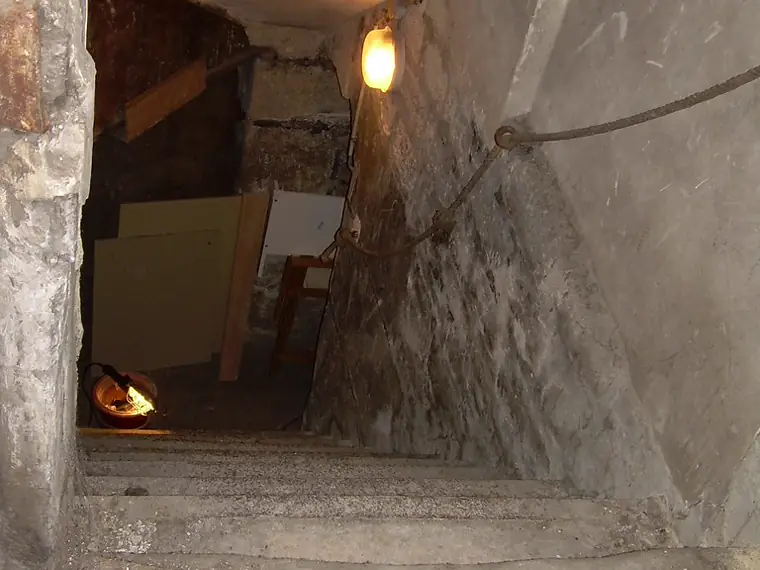
Basements and cellars
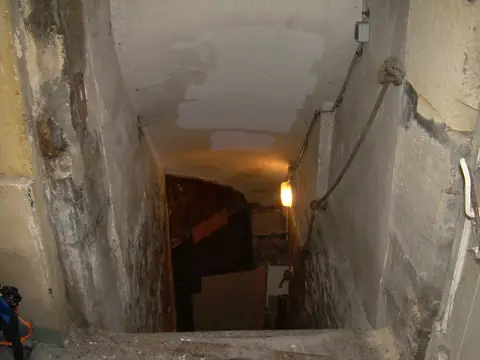
Damp cellars made dry enough to use for storage, or properly lined for something more.
Where we work
Lancaster and around the bay.
Based in Lancaster Sample. These are the towns we cover most. Coverage is a sample for this demo.
 Stock photo
Advice
Worth knowing.
Stock photoCondensation or rising damp? How to tell the difference
They're mixed up all the time, and the fixes are completely different. Here's what each one usually looks like.
Stock photoWoodworm: the signs, and whether it's still active
Holes in old timber don't always mean a problem today. Here's what to look for.
 Stock photo
Why a survey should come before any treatment
Treating the wrong problem costs money and doesn't fix the damp. Here's what a proper survey looks at.
Worried about damp?
Book a survey and get a straight answer about what's causing it, in writing.